
Vietnam is a country of stunning natural beauty, rich culture, and delicious cuisine. However, as tourism continues to grow in popularity, it’s important to consider the impact of our travels on local communities and the environment. Responsible tourism is about being mindful of the impact we have and making choices that support local economies and preserve cultural heritage. In this guide, we’ll explore some tips for travel responsibly in Vietnam, from supporting ethical tours to preserving local culture and getting off the beaten path.
Contents
Support ethical tours
One of the most effective ways to support local communities and the environment is by choosing ethical tour providers. In popular destinations like Hạ Long Bay and Sapa, there are many companies that prioritize sustainability and community support. For example, Bhaya Cruises and YESD tours run sustainable operations in Hạ Long Bay and contribute to regular clean-ups, while Sapa Sisters and ETHOS in Sapa are excellent options for guides who know the trails inside out and employ ethnic minority groups. In Da Lat, consider visiting the K’Ho coffee farm, a co-op that supports 50 ethnic K’Ho farmers and their families.

Book a family homestay
Another way to make a meaningful contribution is by booking a family homestay. Homestays provide close-up encounters with local culture and play an important role in supporting communities, especially in Vietnam’s remote and rural areas. Vietnamese homestay hosts are known for being incredibly generous and will often organize unforgettable tours and intimate workshops that contribute to the income of the whole village. In the Mekong Delta, Mekong Rustic, and in the farming village of Thon Tha in Ha Giang, Mr. Thien Homestay are significant options that expose guests to traditional culture, with enriching stays in a traditional stilt house.

Follow Vietnamese customs
It’s also important to show respect for local culture and customs while traveling in Vietnam. This can be as simple as following basic customs and etiquette, such as covering your legs and shoulders when visiting a temple or pagoda, and taking off your shoes when entering someone’s home. Additionally, each Vietnamese home and business has an altar that is a place of regular worship, so it’s important to take care not to block or leave things in front of the altar, as it is considered disrespectful to ancestors and spirits.

Eat like a local
When it comes to food, eating like a local is a great way to support local farmers and food producers, and experience the destination’s unique cuisine. Vietnamese culture places a strong emphasis on family-style dining, with many dishes shared among everyone. When eating in a group, it’s considered respectful to fill others’ bowls with rice, and pass dishes around the table. Additionally, chopsticks should be placed next to the bowl when finished, never vertically into the rice.

Buy sustainable souvenirs
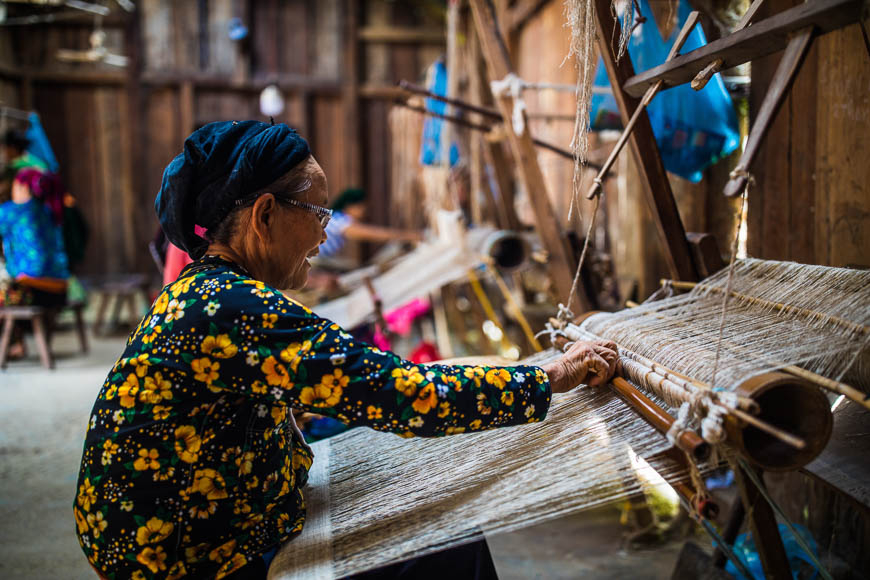
Another way to support local communities is by purchasing sustainable souvenirs that support local artisans and craftsmen. Vietnam is known for its beautiful lacquerware, ceramics, and textiles, and many fair-trade options are available to support the local economy. For example, the Indigo Cat shop in Sapa supports ethnic minorities by carrying beautiful traditional textiles created with indigo dye, embroidery, and batik, while Reaching Out Ceramics in Hoi An sells elegant ceramic tea sets that are made by people with disabilities, ensuring they receive sustainable income and meaningful work.

Learn and preserve culture
In order to truly immerse yourself in and appreciate the culture of Vietnam, it’s important to make an effort to learn about it. One way to do this is by participating in cultural workshops, festivals, and other events. For example, traditional cooking classes and pottery workshops can provide valuable insight into the country’s food and art. Additionally, visiting museums and historical sites can give you a deeper understanding of Vietnam’s past and present.
Get off the beaten path
Another way to gain a unique and authentic cultural experience is by getting off the beaten path and exploring lesser-known destinations in Vietnam. These areas are often less touristy and offer a chance to truly experience local life. For example, instead of visiting the popular city of Hanoi, consider visiting a small town in the nearby countryside. This can give you the opportunity to witness traditional customs and practices, and to interact with locals in a more genuine and meaningful way.

Conclusion – Travel responsibly in Vietnam
By following these tips, you can make the most of your time in Vietnam while also supporting local communities and preserving the country’s culture and environment. From supporting ethical tour providers and booking a family homestay to following customs and etiquette, eating like a local, and purchasing sustainable souvenirs, there are many ways to travel responsibly in Vietnam. And by exploring lesser-known destinations, you’ll also have the opportunity to experience the country in a deeper, more authentic way. With a little thought and planning, you can create a truly memorable and meaningful travel experience in Vietnam.
Photos and content from Vietnam.Travel