
The Li Xi Tradition is one of the most cherished customs during the Vietnamese Lunar New Year, known as Tết. Rooted in centuries-old beliefs about bestowing good fortune and blessings, this practice involves gifting money in red envelopes to children and loved ones. However, over the years, opinions have become divided on whether this tradition has lost its original meaning due to financial pressure and social expectations. In this article, we will explore the origins, cultural significance, and evolving perspectives surrounding the Li Xi Tradition—ultimately revealing why it remains a vital element of Vietnamese Tết celebrations.
Contents
Understanding the Li Xi Tradition
In Vietnamese culture, Tết marks a time for family reunions, paying respects to ancestors, and ushering in a prosperous new year. One of the highlights of this festive period is giving lì xì, or lucky money, in vibrant red envelopes. Originally believed to have come from old Chinese practices, the Li Xi Tradition spread throughout many Asian countries, each adapting it to suit local customs.
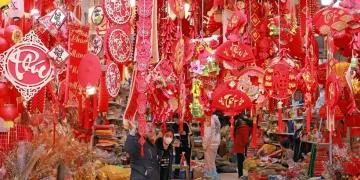
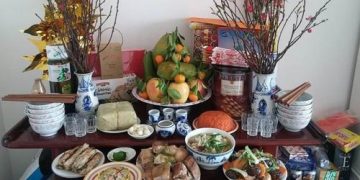
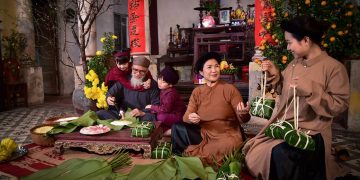
The color red signifies happiness, energy, and warding off bad luck. Thus, red envelopes (often decorated with auspicious symbols and phrases) encapsulate people’s wishes for health, wealth, and overall well-being. Families gather on the first morning of the new year—known as Mùng Một Tết—to exchange New Year’s greetings, perform ancestral rites, and share these red envelopes. The focus traditionally lies not on the monetary value but on the act of giving and receiving blessings for a positive year ahead.

The Evolution of Li Xi Over Time
As Vietnamese society has modernized, so too has the Li Xi Tradition. Originally, most families would only hand out small amounts of money to children. Today, it is common to see larger sums or even digital transfers through smartphones. This evolution reflects broader economic changes and the convenience of modern technology.
- Extended Time Frame
Historically, families observed strict timelines—lì xì occurred on the first or second day of Tết. Now, as long as the new year festivities linger, people continue to give red envelopes to children, younger relatives, or even peers. In some households, the act of giving extends to the elderly as a gesture of gratitude and respect. - Shifting Meaning
While the original custom focused on wishing good fortune and warding off evil spirits, some argue that contemporary practice puts undue emphasis on the cash inside the envelope. Younger generations might compare amounts, and parents may feel pressured to give more than they can comfortably afford. As a result, lively online debates highlight concerns about losing the spiritual and cultural significance of the tradition. - Inclusivity Beyond Family
Another modern twist is the increased scope of beneficiaries. Beyond close relatives, friends, colleagues, and neighbors sometimes exchange red envelopes as a token of goodwill. This broader participation underscores how the Li Xi Tradition has transformed into a community-wide gesture of sharing and celebration, not just a private family affair.
Debates and Controversies Surrounding Li Xi
Despite its positive roots, the Li Xi Tradition is not without controversy in today’s society. Some people feel burdened by the financial obligations, especially young adults who have recently started working. They might worry about appearing stingy if they give too little or facing a personal budget crisis if they give too much.
- Financial Pressures
Many individuals report that they feel anxious before Tết because of the expected costs. The fear of social judgment—being labeled as too frugal or too generous—can dampen the holiday spirit. Quotes shared on social media often reveal sentiments like “I’m afraid of Tết because of all the money I have to give away in red envelopes,” underscoring the need for balance. - Potential Loss of Cultural Essence
Another point of contention is that some families see children prioritizing the amount of money they receive over the symbolic meaning of the envelope itself. Comparisons between peers can erode the original cultural essence, turning what was once a modest tradition into an unintentional contest. Discussions online have even led to calls for abandoning the Li Xi Tradition altogether to reduce stress.
Preserving the Spirit and Joy of Giving
Amid these debates, many people remain committed to safeguarding the Li Xi Tradition. Rather than discarding it, proponents suggest simple adjustments to keep it fun, lighthearted, and meaningful:
- Focusing on Symbolism
Remind recipients—especially children—that the real value of lì xì is not the amount of money but the good wishes and blessings it represents. Some families use creative tactics, such as letting recipients draw random envelopes, so the emphasis remains on luck rather than how much money is inside. - Setting Personal Limits
Givers can avoid feeling overwhelmed by deciding in advance how much they can reasonably spend on envelopes. This honest approach eases financial pressure, allowing them to enjoy the spirit of Tết without resentment or anxiety. - Educating the Younger Generation
Parents and elders can explain the tradition’s origins, encouraging gratitude and understanding over competition. Teaching children to appreciate both the cultural importance and the kind gesture helps maintain the practice’s purity. - Sharing Across All Ages
Although traditionally given to children, lì xì can be offered to elders, close friends, or neighbors to spread good fortune within the community. This inclusivity reinforces the holiday’s unifying nature and fosters stronger bonds among people.

Outbound and Internal Links
To learn more about official efforts to preserve and promote Vietnamese traditions, visit the
official Vietnam tourism website for comprehensive cultural insights.
For an in-depth look at Tết customs, check out our Guide to Vietnamese New Year Celebrations, where you can find more information on decorations, ancestral rites, and festive recipes.
Conclusion
The Li Xi Tradition remains a cornerstone of Vietnamese Lunar New Year festivities, symbolizing good luck, unity, and blessings for the year ahead. While modern influences and economic pressures have altered the way people practice this custom, its core essence—spreading joy and well-wishes—can still flourish when approached with understanding and moderation. By focusing on its cultural significance, setting personal financial boundaries, and emphasizing the value of blessings over monetary worth, families and communities can ensure that lì xì continues to be an uplifting, meaningful tradition for generations to come.
Ultimately, the red envelope is more than just money: it is a potent symbol of generosity, gratitude, and hope. This Tết, embrace the Li Xi Tradition by honoring its heritage, celebrating its modern adaptations, and remembering that true prosperity lies in heartfelt connections rather than the currency exchanged. Let the spirit of lucky money bring warmth and unity to all who celebrate Vietnam’s most festive holiday.