
Welcome to this Ba Ria – Vung Tau Travel Guide, your all-in-one reference to exploring one of Vietnam’s top coastal destinations. Located in the southeastern region of the country, Ba Ria – Vung Tau offers a tapestry of experiences—from sun-kissed beaches and historical monuments to lush nature reserves and mouthwatering local cuisine. Surrounded by Đồng Nai to the north, Ho Chi Minh City to the west, Bình Thuận to the east, and the East Sea (Biển Đông) to the south, this province enjoys a prime location that makes it a favorite among both domestic and international travelers.
In this guide, you’ll learn the best times to visit, how to get around, where to stay, what to eat, and the must-see sites—from Vũng Tàu City’s bustling beachfronts to the remote charm of Côn Đảo and the tranquil beauty of Hồ Tràm. Let’s embark on an adventure that promises both relaxation and cultural enrichment.

Contents
- Understanding the Climate: Best Time to Visit
- 2. How to Get There: Practical Transport Options
- 3. Top Places to Explore in the Ba Ria – Vung Tau Travel
- Savor Local Delights: Culinary Highlights
- Accommodation: Where to Stay
- Additional Travel Tips & Cultural Notes
- Conclusion: Embrace the Coastal Charm of Ba Ria – Vung Tau Travel
Understanding the Climate: Best Time to Visit
Distinct Seasons for Your Ba Ria – Vung Tau Travel
Ba Ria – Vung Tau has two main seasons:
- Rainy Season (May to October):
Characterized by sporadic rains that are generally short-lived, keeping the atmosphere cool and lush. Even during this season, extended rain spells are uncommon, so day trips and outdoor activities remain feasible. - Dry Season (November to April):
Expect clearer skies and warmer temperatures, perfect for beach activities or island-hopping. The sunshine is abundant, although you might experience more intense heat.
In reality, Ba Ria – Vung Tau can be visited year-round, but for those specifically wanting to swim in calm seas or venture to Côn Đảo for snorkeling and diving, March through September usually offers the best conditions.
Verdant scenery in Ba Ria – Vung Tau under a cloudy sky.
2. How to Get There: Practical Transport Options
From Ho Chi Minh City
- Personal Vehicle (Car or Motorbike)
- Route via National Highway 1 & 51: Drive from Ho Chi Minh City toward Đồng Nai, then take National Highway 51 straight to Vũng Tàu.
- Route via Cat Lai Ferry: Depart from the Cat Lai Ferry terminal in District 2 (Ho Chi Minh City), cross into Nhơn Trạch (Đồng Nai), and continue on National Highway 51.
- Expressway Option: If you prefer speed and convenience, use the Long Thành – Đồng Nai Expressway. This is typically the quickest way to cover the approximate 120 km distance to Vũng Tàu.
- Ferry via Cần Giờ
- Drive around 70 km from central Ho Chi Minh City to Tắc Suất Ferry Terminal in Cần Giờ.
- Board the Cần Giờ – Vũng Tàu Sea Ferry, a 30-minute (or slightly longer) crossing, depending on tides and weather.
- One-way tickets are generally around 70,000 VND per adult, with an additional fee (50,000 VND) for motorbikes and higher fees (350,000–800,000 VND) for cars or minibuses.
- Bus
- Buses depart frequently from Miền Đông Bus Station.
- Tickets range between 80,000 to 160,000 VND, varying by bus operator and comfort level.
- Advance online booking is recommended, especially on weekends or holidays.
- High-Speed Hydrofoil
- A popular 1.5-hour ride from Ho Chi Minh City to Vũng Tàu.
- Adult tickets cost around 240,000 VND, while children aged 6–11 pay around 120,000 VND; under-6s are often free. Seniors over 62 may qualify for special discounted fares.
From Hanoi
Travelers from northern Vietnam can fly or take the Reunification Express Train to Ho Chi Minh City before choosing one of the above methods to continue their journey to Ba Ria – Vung Tau. This approach ensures a seamless transition from Hanoi to the southern coast.
A ferry on route from Cần Giờ to Vũng Tàu with passengers.
3. Top Places to Explore in the Ba Ria – Vung Tau Travel
Ba Ria – Vũng Tàu is home to a wide range of attractions, from lively cityscapes to serene beaches and historical landmarks.
Vũng Tàu City
Just over 120 km from Ho Chi Minh City, Vũng Tàu serves as a delightful coastal getaway:
- Front Beach (Bãi Trước / Bãi Tầm Dương): Framed by Big Mountain (Núi Lớn) and Small Mountain (Núi Nhỏ). The beach is lined with cafés that offer refreshing beverages, and it’s popular for sunset strolls.
- Back Beach (Bãi Sau): A more expansive shoreline known for water sports such as surfing and kite-flying.
- Local Culture: Street vendors sell fresh seafood and snacks. Look out for various fish-cake or bánh khọt stands if you want a genuine local treat.
Internal Link: For a deep dive into the city’s highlights—like Christ of Vũng Tàu (the giant Jesus statue) and seafood markets—visit our Vung Tau City Guide.
Busy seaside area in Vung Tau with palm-lined walking paths.
Bà Rịa City
Situated roughly 90 km northeast of Ho Chi Minh City and 25 km from Vũng Tàu, Bà Rịa is quieter and serves as an administrative center:
- Núi Thị Vải (Thi Vai Mountain)
- About 3 km off National Highway 51 near Phú Mỹ Town.
- Features a granite stairway up the mountain, leading to three main temples:
- Linh Sơn Liên Trì (Lower Temple)
- Linh Sơn Hồng Phúc (Middle Temple)
- Linh Sơn Bửu Thiền (Upper Temple)
- Ideal for pilgrims and trekkers seeking a panoramic view of the surrounding plains.
- Núi Dinh (Dinh Mountain)
- Situated around 6 km north of Bà Rịa City, with a 504-meter-high summit.
- Notable for its cool climate, hidden waterfalls (such as Suối Tiên and Suối Đá), and numerous pagodas (Chùa Hang, Chùa Tây Phương, etc.).
- Historically significant as a revolutionary base during the war years, with many vestiges scattered around.
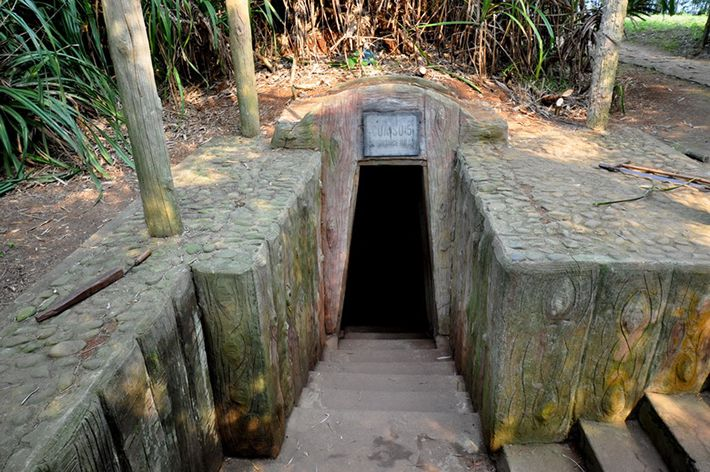
- Địa Đạo Long Phước (Long Phuoc Tunnels)
- Located ~7 km from Bà Rịa’s center in Long Phước Commune.
- A subterranean system used for shelter and guerilla tactics, with hidden chambers and a “spine tunnel” network about 2–3 meters underground.
- A poignant historical site that offers insight into the region’s wartime resilience.
- Nhà Tròn Bà Rịa (The Round House)
- A 20-meter-high French-era water tower, also called “Chatoau d’eau.”
- Its main feature is a circular tank of over 7 meters in diameter, once vital for the local water supply.
- Retains some remnants from Japanese occupation (e.g., a set of six operational sirens installed during WWII).


Long Hải Town (Huyện Long Điền)
Long Hải is renowned for its 14.7 km of white-sand coastline, making it a popular weekend destination for beach lovers:
- Long Hải Beach: Quiet and less commercialized, ideal for overnight camping and early-morning seafood hunts.
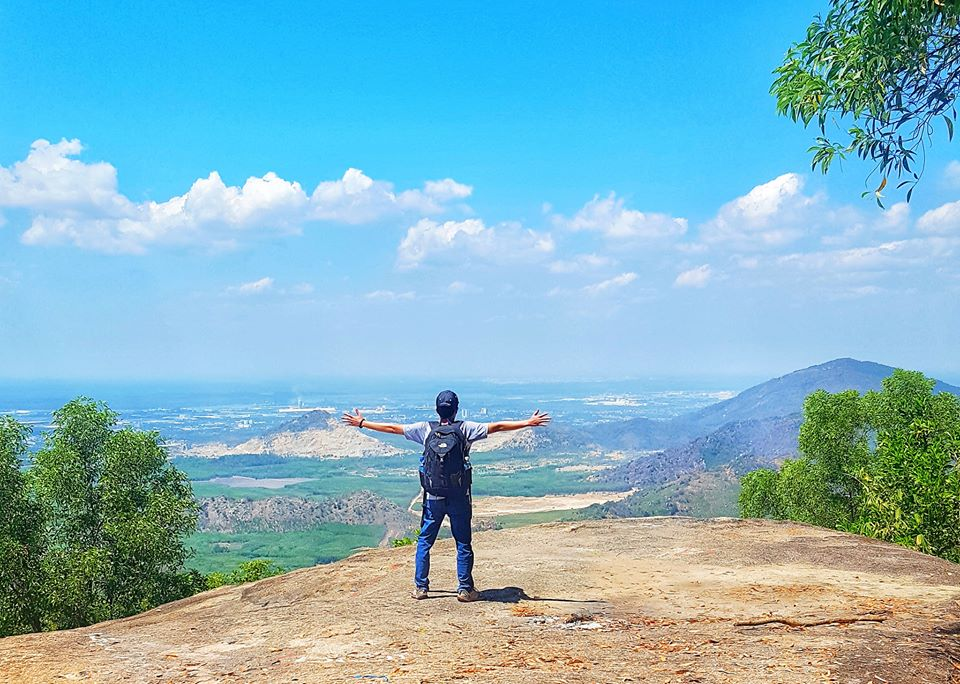
- Núi Minh Đạm (Minh Dam Mountain): Known for breathtaking vantage points that overlook both forested hills and the ocean. Historically recognized for its role in the province’s wartime past.
- Chùa Hòn Một (Hon Mot Pagoda): Built in 1918, perched with its façade facing the sea and its back leaning against Minh Dam Mountain.
- Đèo Nước Ngọt (Freshwater Pass): A scenic 5-km coastal road, often buzzing with travelers in the cooler months. Surrounding hills bloom with vibrant “forest cherry” flowers (rừng anh đào) in late fall or around the Lunar New Year.

Côn Đảo (Con Dao Islands)
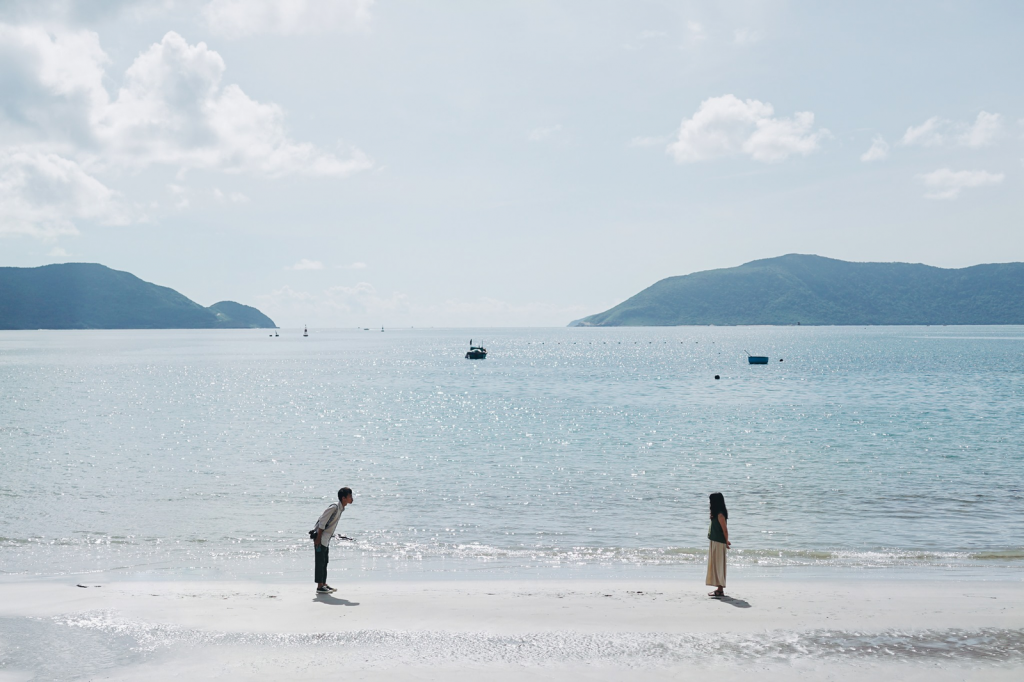
Lying about 185 km from Vũng Tàu and 230 km from Ho Chi Minh City, Côn Đảo is an archipelago of 16 islands, with Côn Sơn as the largest. Once notorious for its prison system under French and American regimes, Côn Đảo has transformed into:
- Spiritual & Heritage Tourism: Visitors pay respects at sites like the Hàng Dương Cemetery and former prison complexes.
- Beach Paradise: Clear turquoise waters, vibrant coral reefs for snorkeling and diving, and serene bays for swimming.
- Ecotourism & Wildlife: A large part of Côn Đảo is a national park, protecting sea turtles, rare birds, and lush tropical forests.
Discover more with our Con Dao Travel Guide.
Hồ Tràm & Hồ Cốc
Between Ho Chi Minh City and Mũi Né (Phan Thiết) lies a quieter stretch of coastline often overshadowed by more famous destinations:
- Hồ Tràm: Distinguished by its lightly trafficked road, flanked by casuarina and eucalyptus groves. Offers a peaceful beach experience away from city crowds.
- Hồ Cốc: Praised by international publications (Lonely Planet, Rough Guides) for its untouched beauty, set against the background of the Bình Châu – Phước Bửu Nature Reserve.

Bình Châu – Phước Bửu Nature Reserve
Right across from Hồ Cốc Beach is this 11,000-hectare nature reserve, among the last relatively intact coastal rainforests in Vietnam:
- Biodiversity: Varying ecosystems from slightly dry tropical forests to wetlands, eucalyptus groves, and rolling sand dunes.
- Activities: Hiking trails, cycling routes, and camping options. The area is sometimes referred to as the “green lung” of Vũng Tàu, thanks to its dense canopy and fresh air.

Suối Khoáng Nóng Bình Châu (Binh Chau Hot Springs)
Within the Bình Châu – Phước Bửu Nature Reserve lies the well-known Binh Chau Hot Springs:
- Thermal Waters: Over 70 surface water spouts with temperatures ranging from 64°C to 84°C.
- Discovery: First identified by a French doctor in 1928, who named it “Cù Mi.”
- Wellness Benefits: The mineral-rich water and mud baths are said to help with relaxation, joint pain, and skin revitalization. Visitors generally limit their soaks to around 20–30 minutes.
Binh Chau hot springs with visible steam on a calm morning.
3.8. Long Sơn ‘Bánh Xèo’ Pagoda
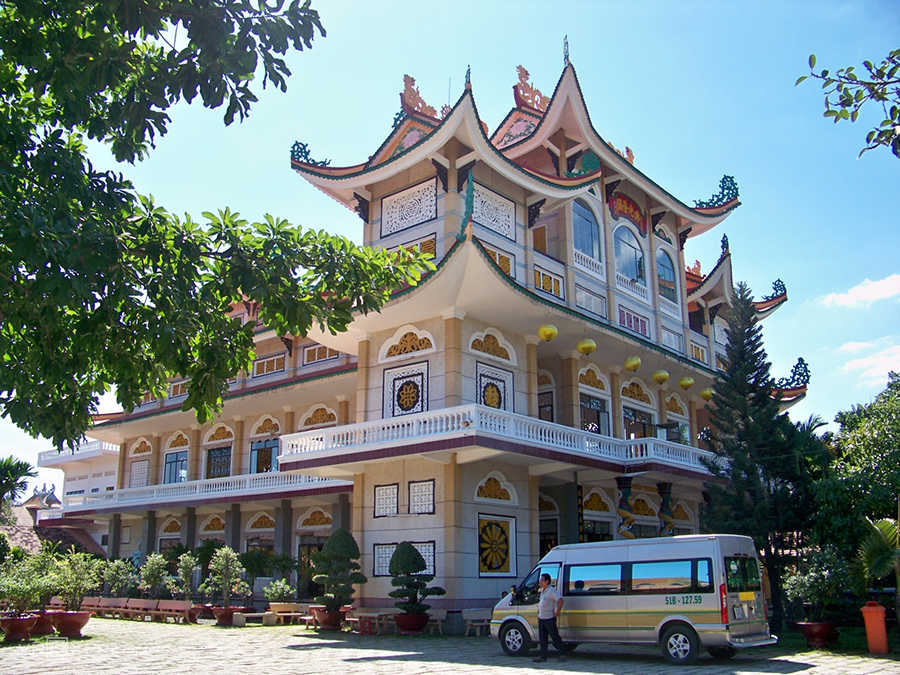
Also called Ni Viện Thiện Hòa, this monastery is located behind Đại Tòng Lâm Tự, near Phú Mỹ:
- Origins: Built around 1989; later expanded by the head nun, Thích nữ Như Như.
- Nickname: Chùa Bánh Xèo: Known for serving visitors delicious vegetarian bánh xèo (Vietnamese crispy pancakes), continuing a tradition of using freshly sourced ingredients.
- The pancakes are usually filled with bean sprouts, mushrooms, and local herbs, aligning with Buddhist vegetarian practice.
Đồng Cừu Suối Nghệ (Suoi Nghe Sheep Field)
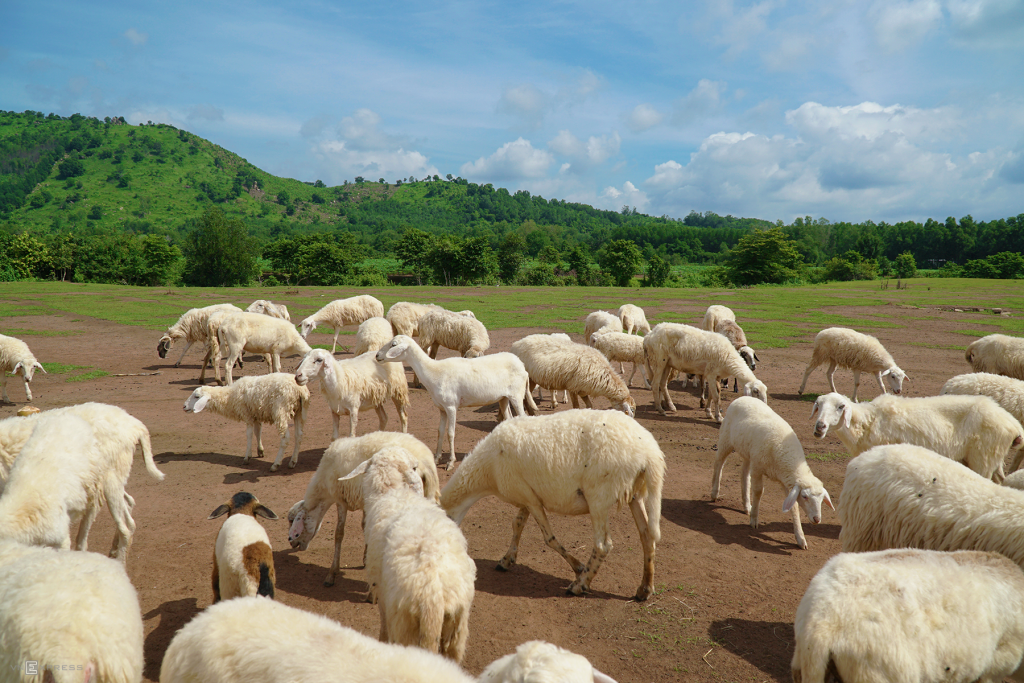
In Châu Đức District, the Suối Nghệ Sheep Field has evolved into a fun photo-op spot for both locals and tourists:
- Flock of Sheep: Originally raised for wool and meat, the place became a tourist attraction after it gained popularity on social media.
- Entrance & Feeding: Around 20,000 VND per visitor, plus 10,000 VND if you want to purchase feed for the sheep.
- Perfect Photography: Rolling grassland and free-roaming sheep create a pastoral backdrop.
Savor Local Delights: Culinary Highlights
A highlight of any Ba Ria – Vung Tau Travel Guide is the vibrant local cuisine. The abundance of fresh seafood and coastal produce leads to an array of delicious dishes.
Bánh Khọt Vũng Tàu
- Description: Mini rice flour cakes topped with shrimp, scallions, and sometimes crunchy pork bits.
- Flavor: A blend of crispy edges with soft centers and the natural sweetness of seafood.
- Where to Try: Nguyen Truong To street in Vũng Tàu is famous for bánh khọt, or visit iconic spots like “Gốc Vú Sữa.”
Bánh Xèo Long Hải
- Key Ingredients: Rice flour batter, fresh shrimp or squid, pork, onions, bean sprouts, and sometimes egg.
- Defining Trait: Extra crispy texture and golden color, thanks to skilful cooking methods and fresh seafood caught the same day by local fishers.
Bánh Hỏi An Nhứt
- From An Nhứt Commune (Long Điền District).
- Profile: Delicate rice vermicelli sheets intricately woven, often served with grilled pork, vegetables, and a sweet-sour dipping sauce.
- Extra Twist: Topped with crushed peanuts or scallion oil for added flavor.
Lẩu Súng Phước Hải (Water Lily Hotpot)
- Star Ingredient: Bông súng (water lily stems), adding a crunchy texture.
- Broth: Tamarind-based with tương hột (crushed fermented soybeans), giving it a distinctive earthy, tangy depth.
- Fish: Traditionally uses cá thiều xanh, but other varieties like cá dứa or cá bóp are possible.
- Taste Profile: A harmonious blend of sour, sweet, and umami, with subtle spice.
Cháo Hàu Long Sơn (Long Son Oyster Congee)
- Key Element: Oysters fresh from Long Sơn’s rocky shores.
- Preparation: Slow-cooked rice congee, seasoned with ginger, pepper, and scallions.
- Flavor: Rich, briny creaminess of oysters complements the comforting warmth of congee.
Gỏi Cá Mai (Anchovy-Like Fish Salad)
- Process: Fresh cá mai, boned and lightly cured in lemon or vinegar, then mixed with herbs, roasted peanuts, and a sweet-spicy sauce.
- Serving: Often rolled in rice paper with banana blossoms, green mango, or starfruit, and dipped in a special fish sauce or peanut sauce.
Bánh Canh & Bún Súng
- Bánh Canh: Thick rice noodles paired with pork leg, crab, or fish cakes. Typically served hot with fresh herbs on the side.
- Bún Súng: A vermicelli soup similar to some Mekong Delta variants, but the presence of water lily stems (again, bông súng) sets it apart.
Hủ Tiếu Mỳ
- Components: A mixture of rice noodles (hủ tiếu) and wheat noodles (mỳ) in a clear, savory broth.
- Toppings: Pork ribs, sliced pork, fish balls, or wontons.
- Popular Spots: Street stalls across Vũng Tàu City, often open early for breakfast or late into the night.
4.9. Fresh Seafood
- Range: Fish, shrimp, lobster, crab, shellfish, and a wide variety of snails (ốc).
- Pricing: From 50,000 VND for small dishes like ốc len xào dừa (coconut snails) up to 200,000+ VND for premium options.
- Where: Streets like Nam Kỳ Khởi Nghĩa, Trần Phú, or Lê Hồng Phong in Vũng Tàu house many affordable seafood eateries.
Accommodation: Where to Stay
Ba Ria – Vũng Tàu caters to various budgets and travel styles:
- Budget Guesthouses
- Found in Vũng Tàu City or Long Hải.
- Offer basic amenities, suitable for backpackers or short-term travelers.
- Mid-Range Hotels and Resorts
- Near popular beaches or city centers, providing comfortable rooms, on-site dining, and other standard services.
- Good balance between affordability and comfort.
- Luxury Resorts & Villas
- Concentrated around Hồ Tràm, Hồ Cốc, and Côn Đảo.
- Feature private beaches, spa facilities, fine dining, and premium recreational activities—ideal for a luxurious getaway.
Outbound Link: For official tourist info and hotel listings, visit the Vietnam Tourism Website.
Additional Travel Tips & Cultural Notes
- Local Etiquette: Dress modestly when visiting temples or pagodas. Show respect for religious spaces by speaking softly and removing your shoes.
- Safety & Environment: Many beaches are relatively unspoiled—keep them clean by discarding litter properly.
- Currency & Transactions: Vietnam Dong (VND) is the primary currency. Most hotels and some restaurants accept card payments, but carry cash for smaller vendors.
- Public Holidays & Peak Times: Weekends, Lunar New Year (Tết), and summer months (June–August) see higher prices and heavier crowds, especially in Vũng Tàu City. Book accommodations and transport in advance if traveling during these periods.
Conclusion: Embrace the Coastal Charm of Ba Ria – Vung Tau Travel
From the breezy shores of Long Hải to the storied tunnels of Long Phước and the idyllic islands of Côn Đảo, this Ba Ria – Vung Tau Travel Guide highlights the province’s multifaceted appeal—be it spiritual tourism, natural reserves, historic sites, or flavorful cuisine. Whether you’re an intrepid backpacker, a family on vacation, or a couple seeking a romantic retreat, Ba Ria – Vung Tau provides something extraordinary at every turn.
Feel free to revisit this guide to plan your adventures, discover hidden gems, and savor the region’s gastronomic delights. As you explore this coastal haven, remember to respect local customs, protect the environment, and immerse yourself in the region’s vibrant culture. Ba Ria – Vung Tau is all set to welcome you with open arms and an unforgettable array of sights, sounds, and tastes.