What the Pho Museum is—and is not
VietnamPlus, citing VNA, reported the opening as Vietnam’s first private culinary museum devoted to pho. It describes an approximately 800-square-metre, three-floor venue licensed by the Ho Chi Minh City Department of Culture and Sports, with a cinema room, show kitchen, cultural exhibition and souvenir area [1]. That makes “museum” a useful description of the format, but not a claim that the institution is a government museum.
Think of it as a curated commercial food-culture attraction. Its story runs through the history, ingredients, techniques, objects and changing place of pho in Vietnamese life. It is not a UNESCO-listed site, an official test of whether one recipe is the “real” pho, or a replacement for sitting at a small shop with a bowl prepared for immediate eating. The museum can explain a dish; a street-side meal gives you a different, less scripted experience.
The official website currently places the venue at 211 Nguyễn Thái Học in Phường Bến Thành [2]. Older travel writing may call the area District 1. Use the current ward-and-city address when searching or showing it to a driver, and recheck the pin with the venue before you leave.
Why it works as an October–November backup
Ho Chi Minh City’s wet season generally extends from May to November. Vietnam’s official tourism site describes sporadic rainfall and a dependable afternoon downpour, usually lasting a few hours, [4]. That climate pattern helps with planning; it is not a forecast for your travel date. In late October and November, an indoor stop can therefore make your day more resilient: you can keep outdoor markets, architecture or riverside plans flexible and use the museum during the heaviest rain.
That does not mean every rainy day should begin here. The museum is a better fit when you want a contained cultural visit of roughly one to two hours, or when wet pavements and soaked clothing have made a long walking circuit unattractive. Klook’s listing describes a 90-minute experience and currently displays a suggested duration of one to two hours [3]. Allowing extra time for arrival, browsing and any queue is sensible; neither number is a promise of how long your visit will take.
A practical rainy-day sequence is simple: make the museum your indoor anchor and leave the outdoor part flexible. Our Ho Chi Minh City attractions guide [7] gives background on places such as Nguyen Hue Walking Street and Bach Dang Wharf Park; it is an older guide, not a newly checked route or opening-hours list. Choose one outdoor stop when conditions improve instead of trying to complete the whole list. If you use city buses, consult the separate free-buses guide for its validation and exclusion rules [5]. Neither guide establishes a museum shuttle or a direct stop at this address. The South Vietnam story archive is useful for planning the rest of your stay [6].
Choose the ticket by your actual purpose
On 20 October 2026, Klook’s booking cards listed three choices [3]:
- Admission ticket + souvenir set. This is the clearest choice for a visitor who mainly wants the exhibition, cinema and cultural interpretation. Do not assume that the base admission includes a bowl of pho, a workshop or a set menu. The listing’s marketing description and the checkout card are not interchangeable.
- Admission ticket + 4-dish set menu + souvenir set. Choose this when the meal is part of the point of the visit and you want a defined food add-on without selecting the largest package. The bookable card says four dishes, while the general description still mentions an “Authentic” five-item set. Do not assume the two are equivalent: confirm the exact menu attached to your selected option [3].
- Admission ticket + 7-dish set menu + souvenir set. This is for a fuller tasting-style visit, not simply a more informative museum ticket. It may suit travellers who want the meal to occupy a larger share of the experience.
On 2 November 2026, Klook showed the activity at 4.8/5 from 133 reviews and 1K+ bookings. These are listing-level signals, not proof of date-specific availability, language, menu or accessibility needs; check the selected card before paying.[3]
Food, allergies and expectations
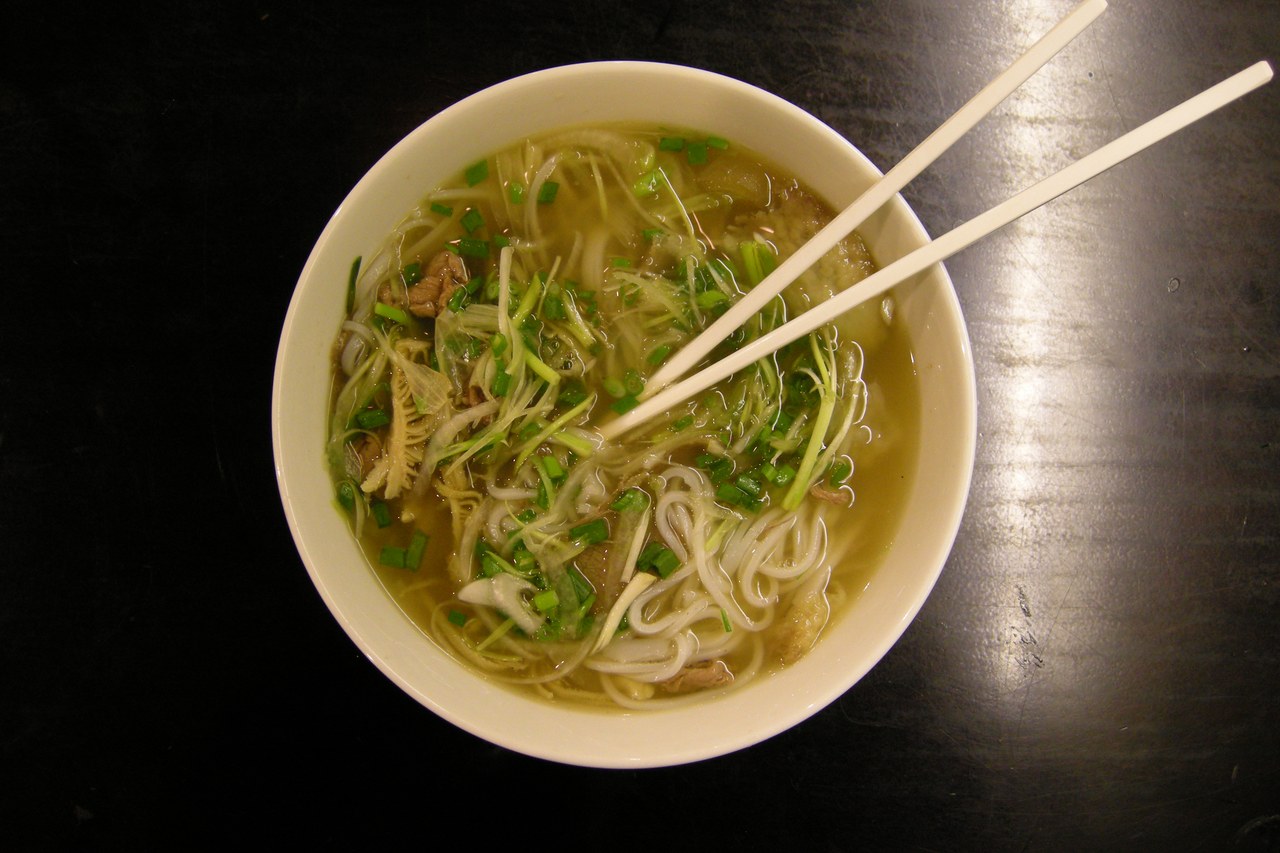
The opening report said the then-described tour included a dining area serving pho and a local dessert [1]. Current bookable cards separate the admission-plus-souvenir option from the four- and seven-dish menu packages [3]. Opening coverage of a meal-inclusive experience does not establish what today’s base admission includes.
If you have a food allergy, vegetarian requirement, religious restriction or strong dislike of a listed ingredient, ask the museum or booking provider before purchase. Ask what the selected package contains, whether substitutions are possible, and whether shared preparation creates a cross-contact concern. Do not treat a “pho experience” label as a dietary guarantee. Staff can tell you what they can accommodate; this guide cannot promise a safe or suitable meal.
Language and access deserve the same advance question. The venue’s official site offers Vietnamese and English interfaces, but that alone does not establish that every live explanation, film, workshop or printed label is available in both languages. Ask about the format you need, and ask the venue directly about step-free access, seating, toilets or assistance if those details determine whether the visit will work for you. Avoid assuming that an interactive gallery is fully accessible because it is indoors.
How to make the visit worthwhile
Go in with one question rather than trying to memorise every display: how did pho move between regions, kitchens and public eating spaces? Notice which objects explain ingredients and craft, which displays are interpretation, and which parts are designed for entertainment. The cinema can give you a quick narrative frame; the exhibition can slow that story down through artefacts and visual material.
The official site publishes separate museum and restaurant information [2]. Check current hours and prices directly before setting out: the January report is not a live timetable, and restaurant hours may differ from museum hours. Use the dated checkout display rather than an old article.
A short decision checklist
Choose the Pho Museum if you want an indoor, structured attraction; are curious about pho beyond a single meal; and can accept that it is a private commercial interpretation. Pick admission plus souvenir if the exhibition is your priority. Add the four-dish set for a moderate food component, or the seven-dish set if a broader tasting is central. Before payment, verify inclusions, date, language, access, dietary response, cancellation terms and current hours.
Skip it—or keep it as a rain backup—if what you really want is an unplanned street bowl, a cooking class with guaranteed hands-on instruction, or an unstructured museum visit without a food theme. A covered venue is useful in October–November, but rain alone does not make every ticket good value. Let your appetite, available time and interest in curated interpretation decide.