
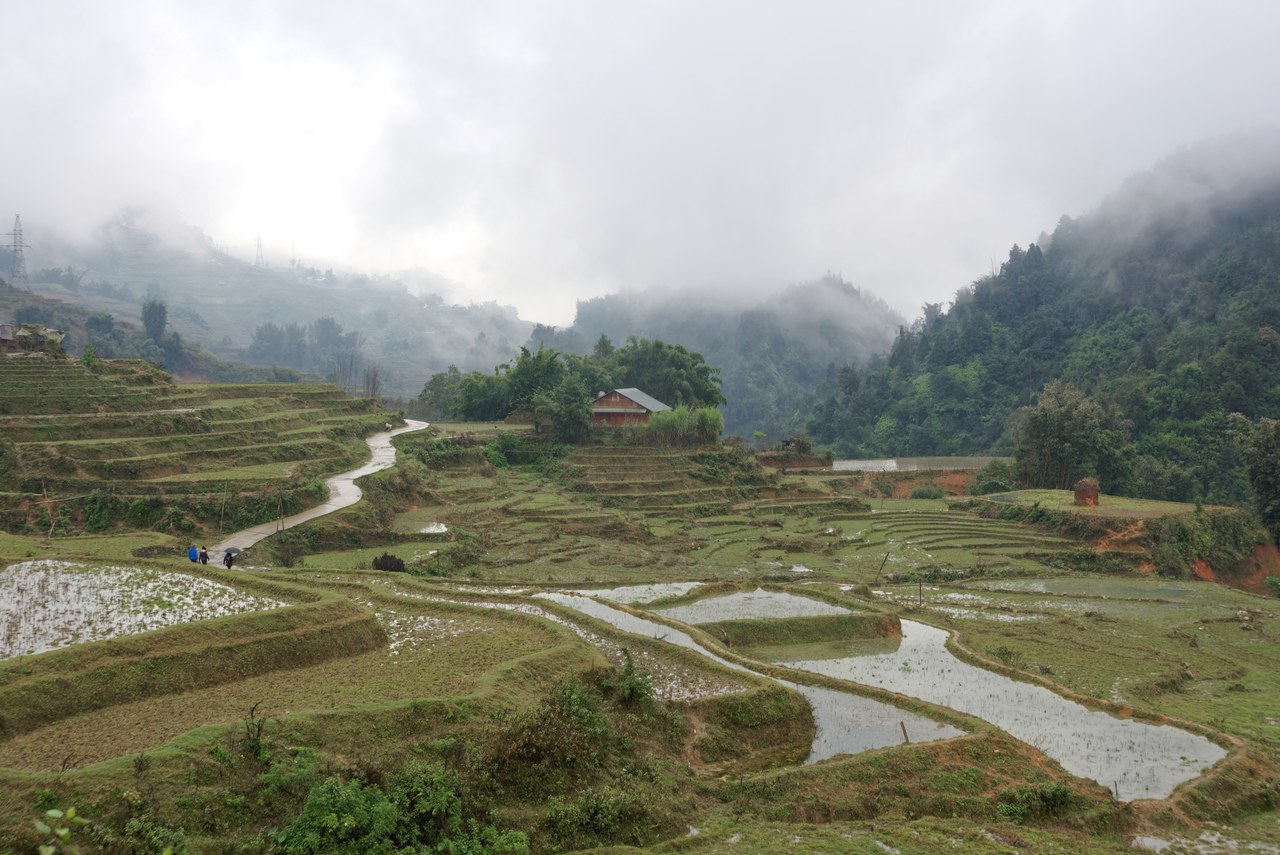
Is Sa Pa worth visiting in late 2026?
It can be, if you choose the trip for mountain scenery, walking and a cooler highland climate rather than for a guaranteed harvest panorama or snowfall. The official Vietnam Tourism destination profile recommends September to November, while its national weather guide describes Sa Pa as cool and relatively clear from September to November, and chilly, misty and cloudy from December to March.[2][3] Those are broad seasonal patterns, not a day-by-day forecast or a promise that every valley will have clear views.
There is a current reason Sa Pa is appearing in fall-trip coverage: Lonely Planet’s 2026 fall-travel report puts Vietnam fourth in a list of 15 destinations, based on readers’ guidebook sales during the period it describes. The article discusses northern mountain landscapes, including Sa Pa, but it does not rank Sa Pa fourth on its own or measure search demand, visitor numbers or hotel bookings.[1] Treat that list as an editorial trend signal—not proof of a specific crowd level or a forecast of local conditions.
The timing distinction matters this year. Vietnam Tourism says early October is lovely because the rice paddies turn golden just before harvest.[3] By 17 October, that named early-October window has passed. The guidance does not specify which villages have been harvested in 2026, so check recent local information before building a trip around a particular field or photograph.
Choose your dates by the experience you want
Late October and November: clearer seasonal walking, but variable fields
The official guide groups September through November as Sa Pa’s prime autumn period, with cool weather and clearer skies compared with the winter months.[2][3] For a late-October or November trip, think in terms of a comfortable walking season with a chance of open views—not a fixed “golden terrace” date. Terraces sit at different elevations and are farmed on local calendars, so two nearby viewpoints can look different at the same time.
If seeing rice harvest is your main reason to travel, ask a locally based guide or accommodation host for a recent, specific update before paying for a multi-stop excursion. Request the village name and the date of the information. A generic annual season label cannot tell you whether a field will be green, cut, flooded or fallow on your visit.
December through February: colder, moodier, and not a snow guarantee
Vietnam Tourism describes December to March as chilly, misty and cloudy in Sa Pa, and says occasional snowfall can occur in January.[3] The destination profile also warns that winters are cold and frost is sometimes seen around Fansipan.[2] Snow is an occasional weather event, not an attraction you can schedule. Do not book a non-refundable trip on the assumption that the town or summit will be snow-covered.
Winter can still suit travellers who enjoy quieter-looking landscapes, mist, warm meals and a slower itinerary. The trade-off is visibility: clouds may hide a mountain view, and cold or wet surfaces can make an exposed walk less comfortable. Keep one indoor or low-effort alternative for each day, and use the forecast close to departure rather than relying on a seasonal article written months earlier.
March is a different shoulder-season option
Although this guide focuses on the late-2026 autumn and winter window, the official profile identifies March to May as a mild spring period with blooming flowers.[2] If your dates are flexible and golden terraces are no longer the priority, compare that spring window with the colder winter months before choosing. This is a seasonal comparison, not a prediction that any specific flower or trail will be in bloom on a particular date.
A flexible three-day outline
Day 1: arrive, settle in, and protect your first afternoon
Travel to Lao Cai by the transport mode that best fits your schedule, then arrange the road transfer to Sa Pa. The official destination page describes both a night train and an expressway route from Hanoi to Lao Cai, followed by a short transfer up to town; it does not provide live departures or current fares.[2] Check those details directly with the operator before buying a ticket, especially if your onward connection is time-sensitive.
Use the first afternoon to settle in, check the next day’s forecast and ask your host or guide about local walking conditions. This buffer is useful in any season and particularly sensible when mist, rain or an overnight journey may affect energy or visibility. Avoid stacking a long trek and a summit visit on the same arrival day.
Day 2: choose one valley walk with a local guide
Sa Pa’s appeal is not limited to a single viewpoint. A valley walk can show how terraces, villages and everyday work fit together, but the right route depends on current trail conditions, your fitness and the experience you want. Arrange the route with a locally based guide, ask how strenuous it is and how long it is expected to take, and agree on a sensible turning-back point if weather deteriorates.
If a homestay is part of the plan, confirm what the stay actually includes, how you will reach it, and whether you need to bring anything for a cold night. Vietnam Tourism’s responsible-travel guide recommends choosing locally owned tour operators and describes homestays as a way to support community livelihoods.[4] Treat its specific business examples and listed prices as historical web content; verify operators, services and current costs independently.
Day 3: make Fansipan weather-dependent
The national tourism profile describes a six-kilometre cable-car journey to the 3,143-metre summit of Fansipan, taking about 15 minutes, and recommends the pagoda complex and final summit steps.[2] These are the profile’s published figures, not a guarantee that the service will operate during your visit. Check current operating notices, ticket rules and visibility before setting out.
If the summit is clouded in or the cable car is unavailable, do not treat the day as lost. Choose a shorter walk, a local market or a warm meal in town instead. A plan with a weather-dependent “main event” and a realistic alternative is more useful than a tightly timed checklist of viewpoints.
Optional paid activity near Sa Pa: If a short alpine-coaster experience fits your plans, check the Mong Village Alpine Coaster listing on Klook. Review the current package, date availability and operating conditions before booking; it is a separate activity in Sa Pa and does not include transport, a valley trek, a guide or Fansipan access. Affiliate disclosure: We may earn a commission if you book through this link, at no extra cost to you.
Where to stay: town convenience or a valley setting?
A town base makes it easier to arrange meals and onward transport, while a lodge or homestay outside the centre can put you closer to a valley walk and a quieter setting. The official Sa Pa profile notes that the area has lodges and homestays among the terraces.[2] Before reserving, verify the property’s exact location, transfer arrangement, heating or bedding for your travel dates, meal availability and cancellation terms. These are questions to ask—not claims that any particular facility is included.
If you want to see village life, choose a stay or tour that describes the local host’s role clearly. Ask whether the route crosses private or cultivated land, follow the guide’s directions, and ask permission before photographing people. A local community is not a backdrop arranged for visitors; respectful travel means leaving room for residents to decline an interaction.
Getting there without relying on stale fares
The official Sa Pa page gives two broad access patterns: train or expressway from Hanoi to Lao Cai, followed by a road transfer to the town.[2] It does not set out a current timetable, fare, operator or transfer booking method. Compare travel times and change conditions with the transport provider for your exact dates. If arriving late, confirm that the onward transfer and accommodation can receive you at that hour rather than assuming they will.
The site’s general Sa Pa travel guide was published on 22 March 2020. It can provide historical background, but its old hotel, fare, route and seasonal details have not been rechecked for this article; verify any time-sensitive information with current official sources or providers. For more recent stories from the region, browse the North Vietnam archive.
What to pack and what to check
For autumn, pack layers that can be removed during a climb and added when the temperature drops, plus a light rain shell and shoes with reliable grip. For winter, add warmer insulating layers, dry socks and gloves; if your accommodation is in a valley, ask about the room’s heating and bedding rather than assuming town conditions apply. These are practical preparations for the cool, misty and sometimes cold conditions described by Vietnam Tourism, not a temperature forecast for your dates.[2][3]
A few days before departure, check the local forecast, your train or road booking, transfer details and any operating notice for Fansipan or the walks you plan to take. On arrival, ask whether recent rain, fog or maintenance affects your intended route. Keep a loose first and final day, and avoid making the entire trip depend on one view.
The short version
Late October and November remain within the official September–November season window, but the early-October golden-terrace description is not proof of what a particular field looks like on 17 October or later. December to February offers a colder highland atmosphere; occasional snow is possible, not promised. Choose Sa Pa for a flexible mix of mountain scenery and local experiences, verify transport and facilities directly, and let the weather decide whether your summit or valley plan takes priority.