
Start with the date discrepancy
The 2026 International Gong Festival is one of the cultural events linked to Visit Vietnam Year–Gia Lai. The dates matter if you are booking transport or accommodation, but the public listings do not agree. Vietnam Tourism’s dedicated event page currently gives a broad 1–31 October window. A VOV report quoting Gia Lai’s provincial vice chairwoman and a later VietNamNet report describe a more specific 30 October–8 November programme. [1] [2] [3]
For a trip built around the detailed programme, treat 30 October–8 November as the latest specific window reported by local news—not as a guaranteed, final timetable. The difference may reflect a broad tourism-calendar listing versus the detailed festival schedule, but the pages do not explain it. Recheck the organizer’s latest announcement before buying non-refundable travel. [1] [2] [3]
The public information is useful but incomplete. It identifies several programme highlights and places, yet does not provide a complete day-by-day schedule, confirmed start times, ticket rules, shuttle arrangements or access instructions for community activities. Do not assume that a listed ceremony is open to visitors simply because it appears in a festival report.
What is planned in Gia Lai?
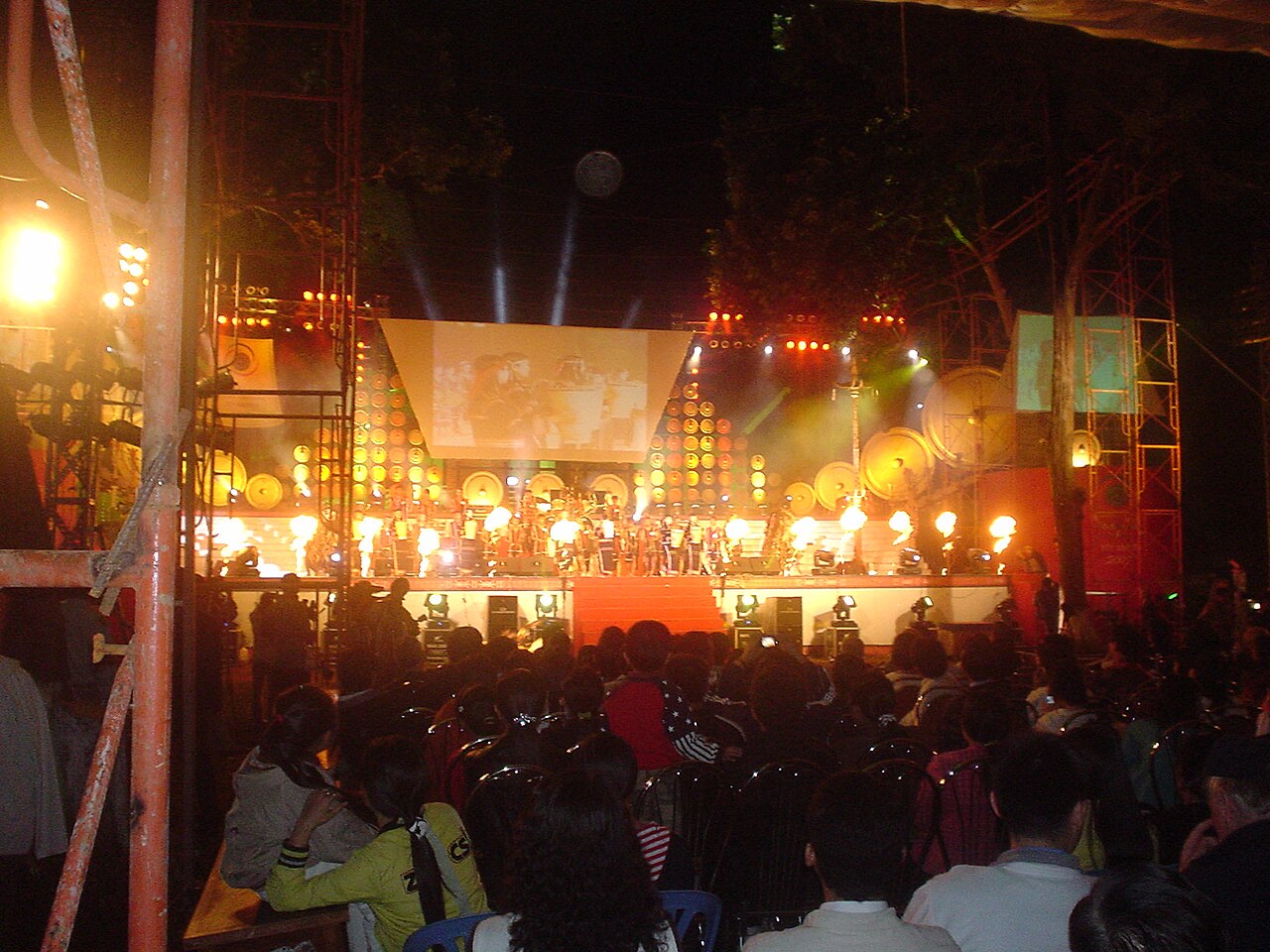
The reports place activities in Pleiku, the Biển Hồ area and nearby communities. VOV says around 45 domestic and international artisan delegations are expected, with activities including performances, cultural exchanges, instrument demonstrations, exhibitions and a central International Gong Night. These are reported plans; the final participant list and running order were not available in the sources checked for this guide. [2]
VietNamNet’s 19 September report gives two more specific highlights. On 31 October, a cultural exchange, performances and a Jrai ceremony marking a new communal house are planned at Ia Gri village in the Biển Hồ area. The report also identifies the International Gong Festival at Đại Đoàn Kết Square on the evening of 7 November. The source does not give a start time, entry conditions or a visitor transport plan for either activity. [3]
The same report describes plans for local-product displays, traditional food, a “Gia Lai Gong Culture Space” exhibition and cultural activities involving artisans and village communities. Those details can help you decide whether the event fits your interests: it is intended to connect the instruments with the people and cultural settings that sustain them, not only to stage a concert in a city square. [3]
Treat every date and venue as a planning lead until the organizer publishes current operational details. A report naming a village does not confirm that independent visitors can enter a community space, join a ceremony or take photographs. Ask the organizer or local host what is public, where to meet and whether advance registration is required.
Why the gongs are more than a festival sound
UNESCO describes the Space of Gong Culture in the Central Highlands as a living cultural space spread across several provinces and 17 Austro-Asiatic and Austronesian ethno-linguistic communities. Gongs are connected with community life, rituals and relationships between people and their surroundings. Their forms and musical practices vary from one community and occasion to another. [4]
That context is important for visitors. There is no single performance that represents every Central Highlands community, and a festival programme cannot stand in for the full range of local traditions. UNESCO’s record also emphasizes the knowledge and practices carried by communities, not just the sound or appearance of the instruments. [4]
Let local hosts explain what a performance means in its own setting. Avoid describing a ceremony as a tourist show unless the organizers themselves frame it that way. If a community event is not explicitly open to the public, respect that boundary and choose a public festival activity instead.
A flexible three-day plan
A three-day outline can help organize a visit without pretending that the festival has published a visitor itinerary. Keep the days swappable so you can adapt to the final schedule.
Day one: use Pleiku as your arrival and planning base. Confirm where your accommodation is, how you will travel to each announced venue and whether local organizers have released a public schedule. Leave open time rather than booking every hour around an unverified programme. If you arrive from Ho Chi Minh City by bus, our route-specific HCMC–Pleiku bus guide explains how to compare listings and check the exact boarding and arrival terminals; it is not an event shuttle or festival ticket. Reconfirm transport details for your own date.
Day two: choose one community activity only after confirming access. If the 31 October Ia Gri programme is relevant to your dates, ask whether visitors may attend, whether the event is open or requires registration, and where the host wants guests to gather. Do not plan to enter homes or communal spaces without an invitation. If access is not confirmed, choose a public exhibition or performance in Pleiku instead.
Day three: make the main evening performance the anchor, if the date is confirmed. The 7 November International Gong Festival is reported for Đại Đoàn Kết Square. Check the latest time, crowd-management advice and transport arrangements before setting out. Keep daytime plans close enough to adapt if the event moves or the programme changes. [3]
This is a suggested structure based on reported activity locations, not an official itinerary. If your dates do not overlap with a specific event, do not assume the festival will be active throughout the entire publicized window. Use the current schedule to decide which day to travel rather than relying on an older festival pattern.
Getting there and getting around
Pleiku is the practical point to research first because the reports name it as a main event area. The exact best route depends on your origin and dates, so compare current flight or intercity-bus options directly with operators. This guide does not verify flight schedules, bus availability, fares or festival shuttles.
For overland travel from Ho Chi Minh City, the site’s separate HCMC–Pleiku bus guide links to route-specific listings and was fact-checked on 14 October 2026 and cites a Vexere route page marked 13 October 2026. Its listed services are regular intercity buses, not event transport. Confirm your own terminal, pickup instructions, ticket conditions and arrival point before paying.
For background on the wider region, see the site’s Gia Lai overview, originally published on 23 March 2020. It can help with historical context and destination names, but its administrative boundaries, accommodation and transport advice, prices, operating details and seasonal recommendations may be stale. Do not use that older article as a current timetable or booking source.
You can also browse the live Central Vietnam story archive for regional ideas. It is an editorial archive, not an official event schedule or live transport directory.
Etiquette that keeps a visit respectful
A few habits make it easier to participate without treating living heritage as a backdrop. Follow the instructions of organizers and community hosts. Ask before taking close-up portraits or recording people, and do not assume consent for a ceremony, a child or a private gathering. Keep pathways clear and do not touch instruments or ceremonial objects unless a host invites you to do so.
At a village activity, stay with the group that brought you there. Ask whether food, craft demonstrations or photography are part of the public programme before joining in. If the answer is no, accept it without negotiating. Buying from a local stall or booking a community experience through an authorized host can direct spending to local participants, but do not treat any purchase as permission to photograph or enter private spaces.
The event is also a chance to listen. If an artisan or host explains the difference between a performance and a ritual, let that distinction guide your choices. UNESCO’s description of varied community practices is a reminder not to generalize one group’s customs to another. [4]
What to confirm before you leave
Before fixing your plans, check the latest festival dates and daily programme with the organizer. Ask which activities are open to visitors and whether any require registration, tickets or a local host. Confirm the exact venue and time on the day, then arrange transport separately; no festival shuttle was verified in the sources reviewed here.
Keep a flexible plan for weather and changes in the programme. If you are adding Chu Dang Ya or another landscape stop, check current access and local conditions independently. Festival coverage can mention flowers or nearby destinations without guaranteeing a bloom date, road condition or attraction opening. Do not infer a current administrative office or boundary from older travel posts.
Pack for an outdoor event and for moving between venues, but check the forecast close to departure. Carry the contact details for your accommodation and any local host. If a community activity is cancelled or closed, choose a confirmed public event rather than trying to visit the village on your own.
Common questions
When is the 2026 Gia Lai Gong Festival?
VOV and VietNamNet report a planned programme from 30 October to 8 November 2026. Vietnam Tourism’s dedicated event page currently lists 1–31 October. Because those public listings conflict, confirm the organizer’s latest dates before booking. [1] [2] [3]
Where will the main event take place?
Reports identify Pleiku, the Biển Hồ area and nearby communities. VietNamNet names Đại Đoàn Kết Square for the planned International Gong Festival on the evening of 7 November, but a final time and visitor access rules were not found. [3]
Can visitors attend the 31 October activity at Ia Gri?
VietNamNet reports a planned cultural exchange and Jrai communal-house celebration there. The report does not confirm whether independent visitors may attend or how access will work. Ask the organizer before travelling to the village. [3]
Is the festival a single performance representing all gong culture?
No. UNESCO describes a living heritage space shared by many communities, with local practices that vary. A festival performance is one public programme, not a complete representation of every tradition. [4]
Does a bus ticket include festival transport?
No such arrangement was verified. The site’s HCMC–Pleiku bus guide covers regular intercity listings only. Confirm local travel to each venue separately.