
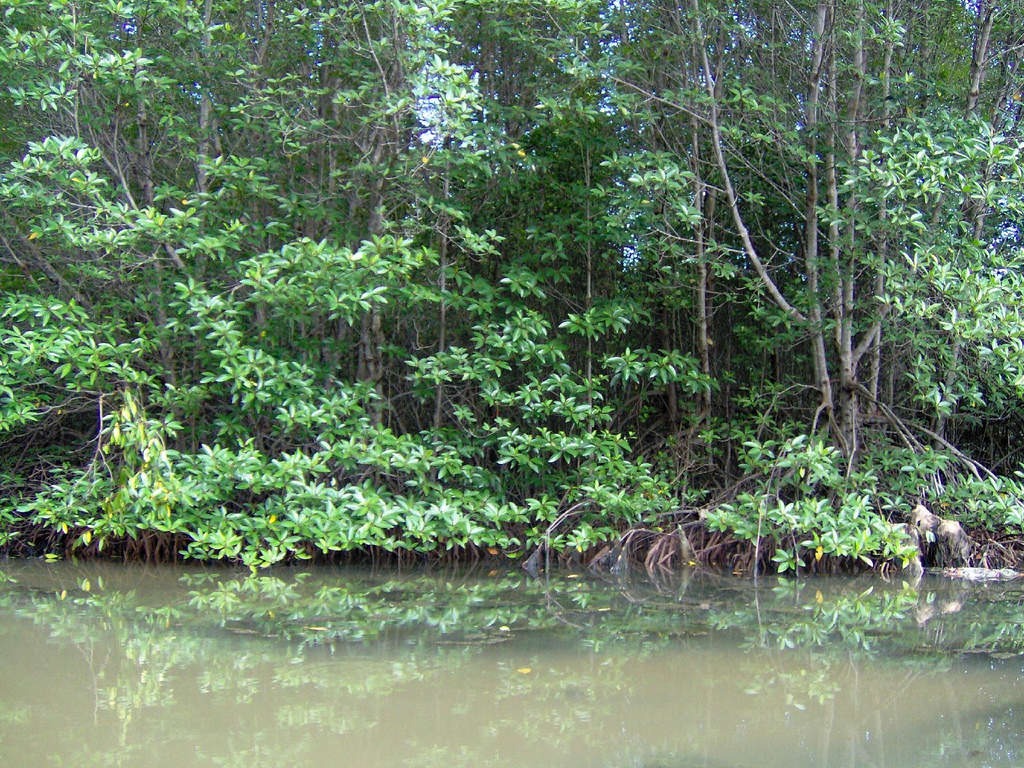
If you want a South Vietnam day out that feels different from central Ho Chi Minh City, Can Gio is a strong nature-led choice. The decision is not simply whether you want to “see a mangrove forest.” It is whether your day should prioritise a guided wildlife-and-history loop, a slower wetland experience, or an independent coastal outing with more transport responsibility.
Can Gio is a coastal area south-east of central Ho Chi Minh City and a UNESCO biosphere reserve. UNESCO records its nomination in 2000 and gives the reserve a total area of 75,740 hectares. It includes mangroves, wetlands, salt marshes, mudflats and seagrass habitats, with rivers and brackish water shaping the landscape. 1 That scale matters: a visit to one tourism site is an introduction to the reserve, not a tour of the whole protected area.
Vietnam’s official tourism climate guide places November within the period of sporadic rain around Ho Chi Minh City and the Mekong Delta, before the generally sunnier December–April period. That makes a flexible November plan more useful than a dry-weather promise. 3 Rain can still affect road travel, boat movement, visibility and the comfort of a forest walk. Choose Can Gio when you can accept a day whose value comes from the ecosystem, wildlife and route rather than from a guaranteed blue-sky photograph.
The one decision to make before booking
Choose a structured full-day tour if you want one booking to connect Ho Chi Minh City with Can Gio’s main visitor stops. This is the simplest option for a first visit, for travelers who do not speak Vietnamese, and for anyone who would rather spend the day looking at the landscape than coordinating transfers. The trade-off is a fixed pace. A group itinerary may give you less control over how long you watch wildlife, eat lunch or pause in the forest.
Choose a private or small-group route if your party has a clear priority. Families may need fewer rushed changes. Photographers may want time at a boardwalk or waterway rather than a quick checklist of attractions. Travelers interested in wartime history may prefer a guide who can explain the Rừng Sác connection instead of treating the forest as scenery between stops. Private does not automatically mean more nature time: read the actual inclusions and confirm the vehicle, boat and stop sequence.
Choose independent travel only if the journey itself appeals to you and you are comfortable verifying every current leg. You will need to confirm how you reach Can Gio, whether a ferry or road crossing is involved, which visitor site is open, how you move between sites, and how you return before dark. The reserve is not one compact park with one universal entrance. An attractive map pin does not prove that a boat, shuttle or ticket will be available when you arrive.
What a good Can Gio day can contain
A well-built day normally combines three different experiences rather than repeating the same kind of stop.
First is the mangrove landscape. Expect narrow waterways, salt-tolerant trees, muddy edges, open wetland views and a strong sense that water is controlling the route. UNESCO describes the reserve as a connected set of coastal and estuarine habitats, not as a conventional inland forest. 1 Wear shoes that can cope with damp ground and bring insect repellent, sun protection and a dry layer for a sudden shower.
Second is wildlife, with realistic expectations. Monkey Island is the name used by current tour listings for a wildlife stop in Can Gio, and the leading Klook group/private product describes wild monkeys, a crocodile farm and a trek through the Sac mangrove forest. 2 Animals are not performers and sightings are not guaranteed. Keep food packed away, do not feed or tease monkeys, and follow the guide’s distance instructions. A close encounter is not a successful encounter if it creates stress for people or animals.
Third is history and local life. Rừng Sác is associated with wartime resistance history, and current tour descriptions position a guerrilla-base visit within the mangrove itinerary. 2 Treat this as a historical site, not an adventure prop. A guide’s explanation can make the landscape legible: waterways were routes, shelter and working space, not just photogenic channels. Depending on your chosen package, the day may also include a local meal or a coastal seafood stop. Confirm the exact stop instead of assuming every Can Gio tour visits the same places.
How to match the route to your traveler type
For a first-time visitor with one day, choose the most transparent full-day itinerary. Look for a stated pickup area, total duration, named sites, transport type, lunch wording and return plan. A longer list is not necessarily a better day. Ask whether the route gives you enough time at the mangroves rather than spending most of the day on the road.
For a family with children, ask about walking surfaces, boat boarding, toilet stops, meal timing and the distance between the vehicle and each attraction. Monkeys can be exciting but unpredictable. Keep children close and do not let them hold food in open areas. A private vehicle can be worth considering when your group needs a flexible pace, but verify that the private package really includes the same forest or boat activity you want.
For birders and nature-minded travelers, avoid booking from the headline alone. “Mangrove tour” can mean a short scenic transfer, a forest walk, a boat ride or a wildlife park. Ask which habitat you will enter, how long you spend there, and whether the guide has a nature focus. Do not book expecting a particular birding spectacle or guaranteed animal activity on your date.
For history travelers, make Rừng Sác a stated requirement and ask how much interpretation is included. If the tour only promises a photo stop, it may not satisfy someone seeking context. Pair the historical stop with the mangrove route so the setting remains central to the story.
For independent travelers, build a conservative return buffer. Rain, traffic, a missed connection or a site-level schedule change can turn an apparently short outing into an evening arrival. Do not place a non-refundable dinner, flight or intercity departure immediately after the planned return.
A practical November day shape
A sensible organised-day shape is an early Ho Chi Minh City departure, the outward road journey, a first wildlife or forest stop, lunch, a longer mangrove or Rừng Sác visit, and a return with daylight and traffic contingency. The exact order depends on the operator and conditions. Ask for the meeting point and return estimate in writing rather than relying on a generic “10-hour tour” label.
If you are arranging your own day, use the same logic but leave more space between decisions. Confirm the first transport leg the day before. Confirm the day’s visitor site and ticket conditions before leaving the city. Keep cash, water, a charged phone and offline map access. Coastal weather can change how enjoyable a walking or boat segment feels even when the city centre looks fine.
Do not assume that the word “UNESCO” means every activity is inside a museum-like attraction or that a single ticket covers the biosphere reserve. UNESCO’s profile is a reserve description, not a visitor ticket page. 1 Likewise, do not infer that a tour’s mention of Monkey Island, crocodiles or Rừng Sác means those stops operate independently every day.
Optional organised-day booking
Klook’s Explore Monkey Island – Can Gio Biosphere Reserve Day Tour is one way to compare a structured day from Ho Chi Minh City. On 16 November, its listing displayed 4.7/5 from 1.3K reviews. The Ho Chi Minh City Center · Large Group (maximum 35 people) · English Guide option returned a positive quote for one adult on 21 November 2026. That is evidence for this selected configuration, not a guarantee for every date, a confirmed departure or all options. The package also lists a 15–35-person operating group, so confirm whether the departure has met its minimum.
Optional booking: Compare the Can Gio day-tour packages on Klook.
Affiliate disclosure: Say Hello Vietnam may earn a commission if you book through this link. Booking is optional; the selected package and current voucher terms govern your visit.
Read the selected package rather than relying on gallery captions. The checked large-group option names bus and ferry transport, an English-speaking guide, attraction admission and lunch, but shows the Rừng Sác speedboat as an optional extra, not a guaranteed included ride. Pickup is limited around the operator’s central District 1 office; do not assume every hotel is covered or that return drop-off is at your hotel. The package says it is not wheelchair-accessible, and weather, traffic or capacity can change stops. Obtain the exact meeting time and place in writing because different page sections show different timing instructions.
The listing includes Monkey Island and captive-crocodile content. It is not evidence that every animal activity is conservation-certified. Avoid wildlife feeding, handling or crocodile-fishing activities; ask the operator about alternatives if those stops do not fit your preferences. A good day should respect the wetland and its animals, not turn close contact into the goal.
What to confirm before you pay
Ask five questions in the live booking flow:
- What is the exact Ho Chi Minh City pickup point, and is hotel pickup truly included for your address?
- Which of Monkey Island, Rừng Sác, the crocodile farm, a boat ride and lunch are included in the selected option?
- How much time is spent walking or on a boat, and what happens if rain or water conditions change the programme?
- What is the whole-party price, including any site fees, meals, transfers or holiday surcharges?
- What is the latest realistic return window, and how does cancellation or rescheduling work?
Save the confirmed itinerary and meeting instructions. Wear breathable long trousers or comfortable clothing, closed shoes with grip, a hat and repellent. Keep valuables zipped away around wildlife. Do not feed animals, leave plastic in the reserve or assume a drone is permitted. The landscape is the reason to come; it should not be damaged to produce a better photograph.
For context before or after the day trip, our older Ho Chi Minh City one-day itinerary helps place a city stay around central landmarks; it is a general evergreen story, not a rechecked 2026 Can Gio transport source. You can also browse the South Vietnam stories archive for adjacent planning ideas. This guide’s intent is narrower: deciding whether a November mangrove day from Ho Chi Minh City fits your pace, interests and tolerance for weather and transport uncertainty.